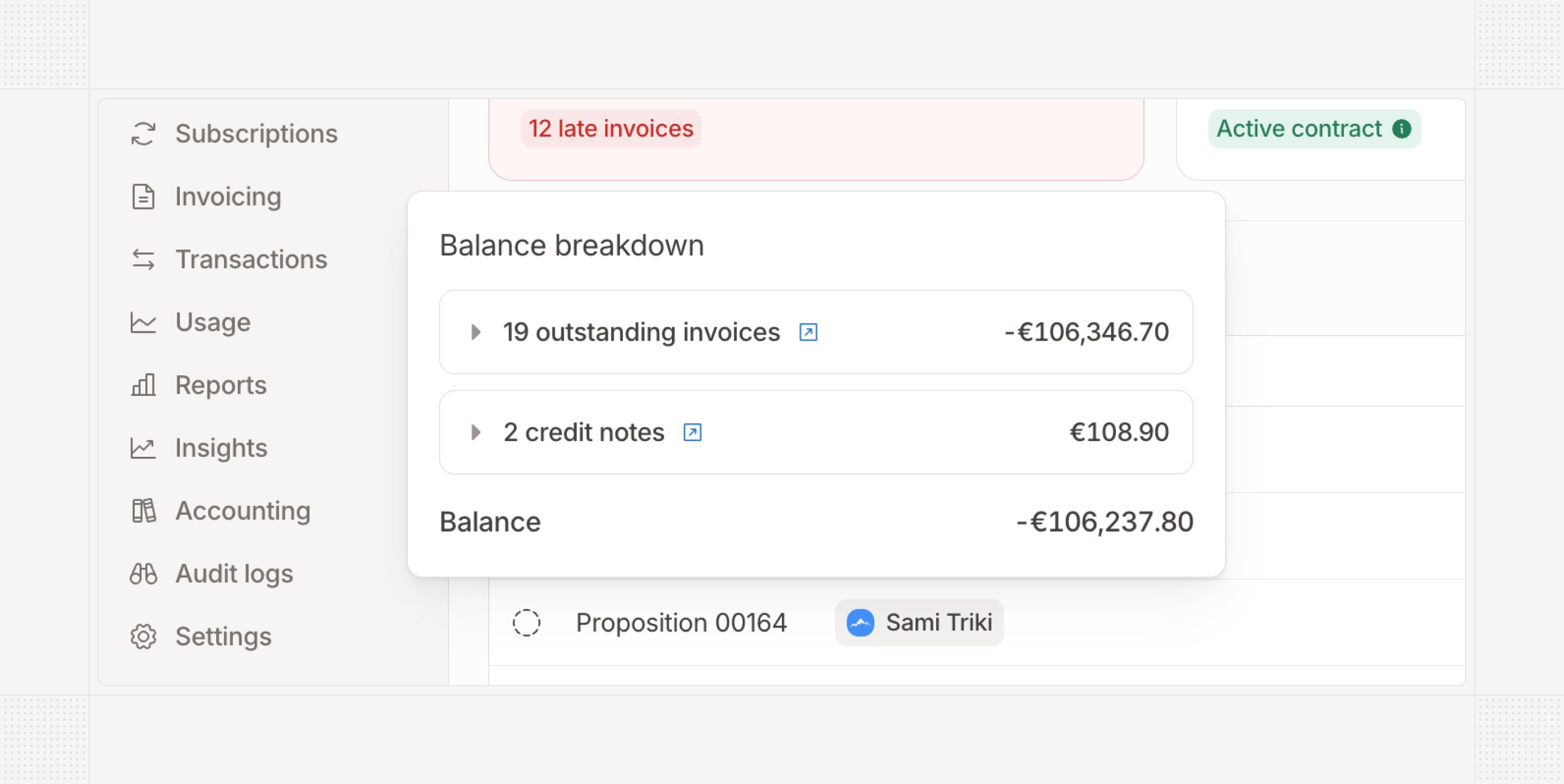
Consolidated invoicing

Customers with several subscriptions can now receive one consolidated invoice per billing day instead of a separate invoice for each subscription. Hyperline automatically combines eligible subscription invoices, while giving you more control over when grouped invoices are generated. When an invoice cannot be grouped, a Sentinel task identifies the affected invoices and links directly to the information you need to resolve the issue. You can also force invoices to remain as drafts for selected customers, making it easier to review consolidated or organization-level invoices before issuing them. Learn more about consolidated invoicing
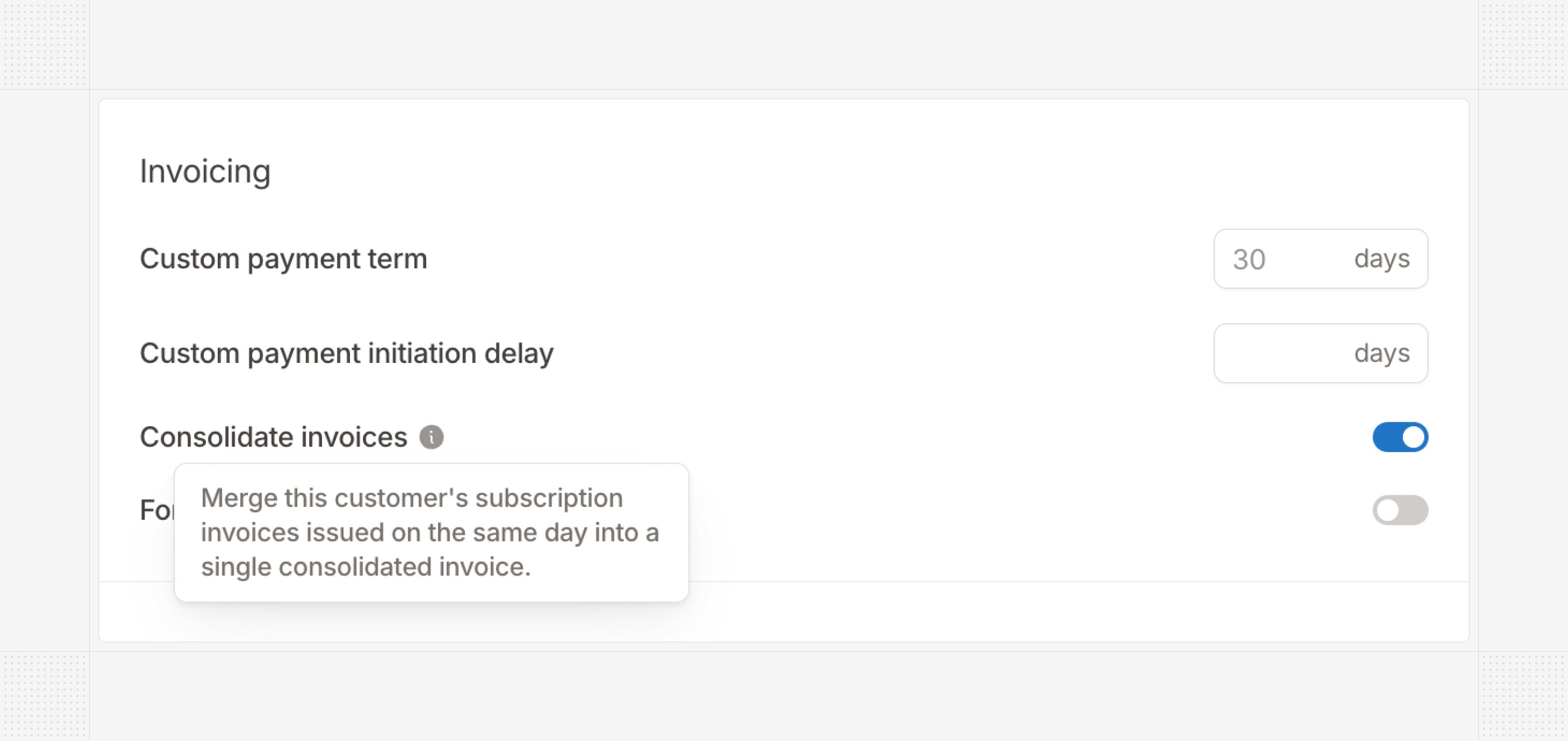
12 integrations for Customer Intelligence

Customer Intelligence can now combine Hyperline revenue data with context from 12 CRM, support, email, and call recording platforms. The available integrations include Attio (including Attio Call Recorder), HubSpot, Salesforce, Intercom, Front, Plain, Pylon, Zendesk, Gmail, Google Meet with Gemini, Claap, and Grain. These connections give the customer monitoring agent access to CRM activity, support conversations, emails, meeting summaries, and transcripts. Your teams can use this context to assess customer health, prepare for renewals, and identify risks or expansion opportunities from one place.
Customer Intelligence is currently in beta and available through private access.
Learn more about Customer Intelligence

Entitlements

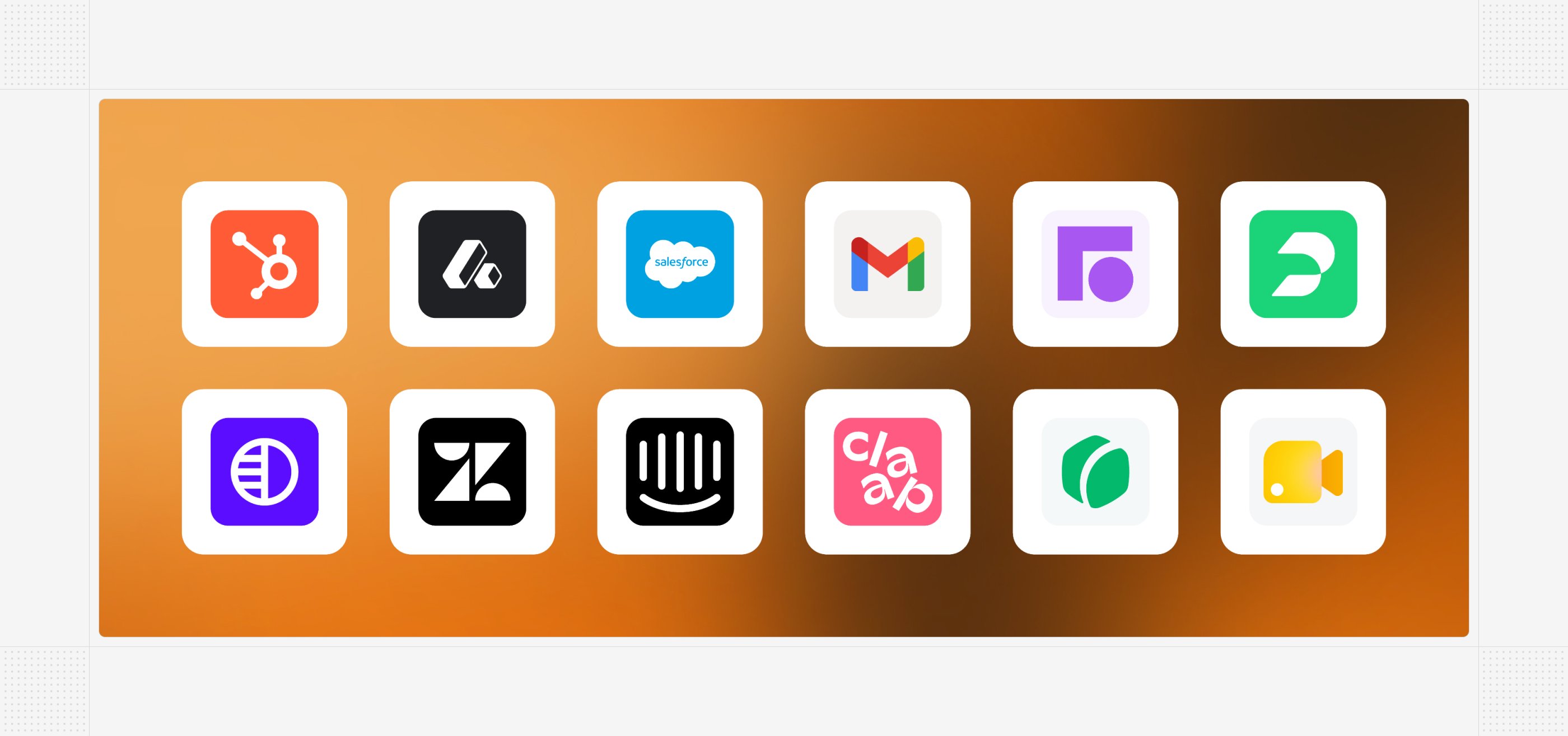
Hyperline now includes entitlement management, giving you a central place to define the features and access levels included with your products. Entitlements can represent availability, limits, or configuration values. They are granted through the products a customer subscribes to, with the option to create customer-specific grants and overrides when needed. Learn more about entitlements
Quote approvals with Slack and delegations

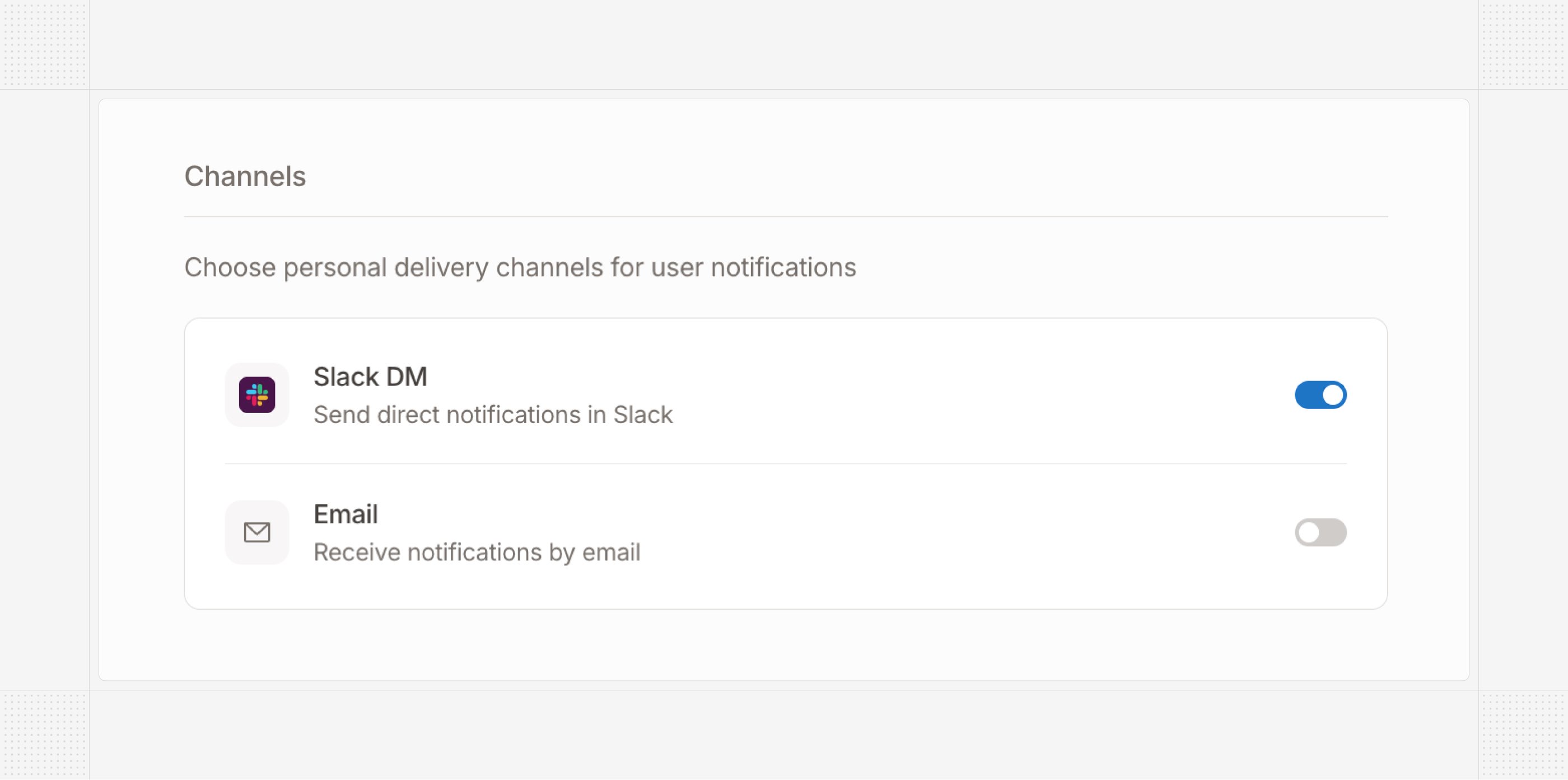
Approvers can now receive quote approval requests directly in Slack. From the notification, they can review the related quote and either approve it or request changes. Approvers can also delegate approval responsibilities to another team member for a defined period, helping approval workflows continue when someone is unavailable. Approval rules can now use the customer’s invoicing entity or the subscription template as conditions, giving you more control over which quotes require review and who should approve them. Learn more about quote approvals
Organization-based usage billing

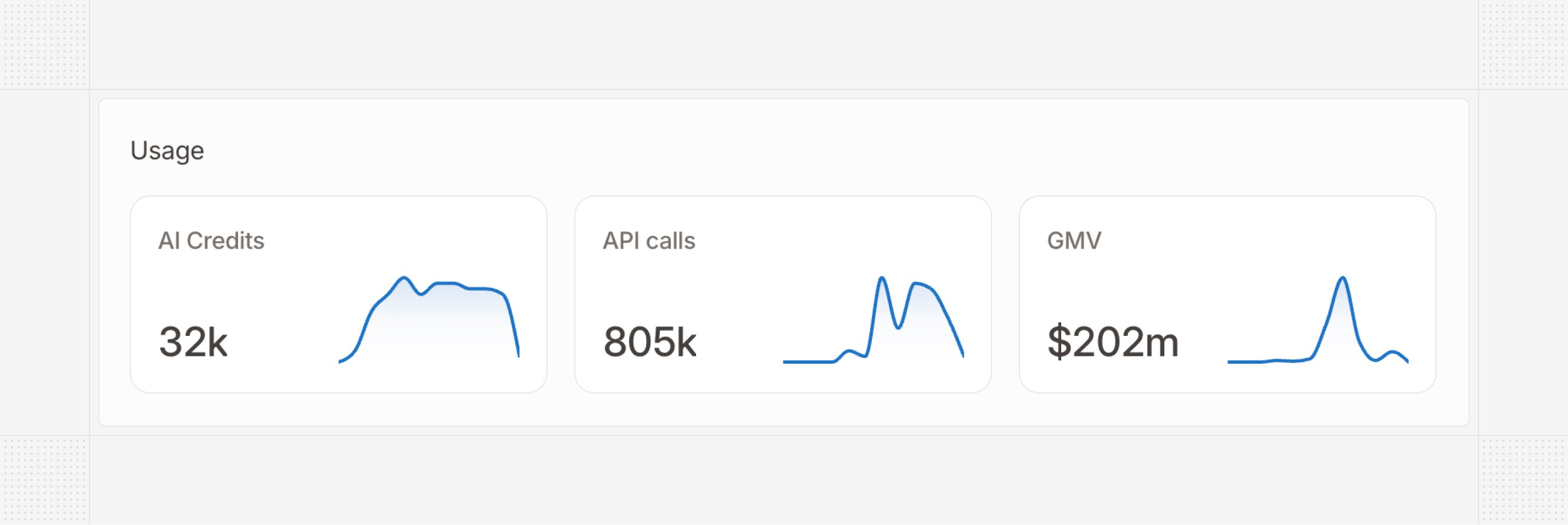
Usage generated by child customers can now be included in a parent customer’s metered subscription. You can combine usage by adding activity across all child customers or by using the highest-consuming customer. This supports organizations that manage several accounts or business units under one commercial agreement. Learn more about organization-based usage billing
Concurrent subscription-update quotes

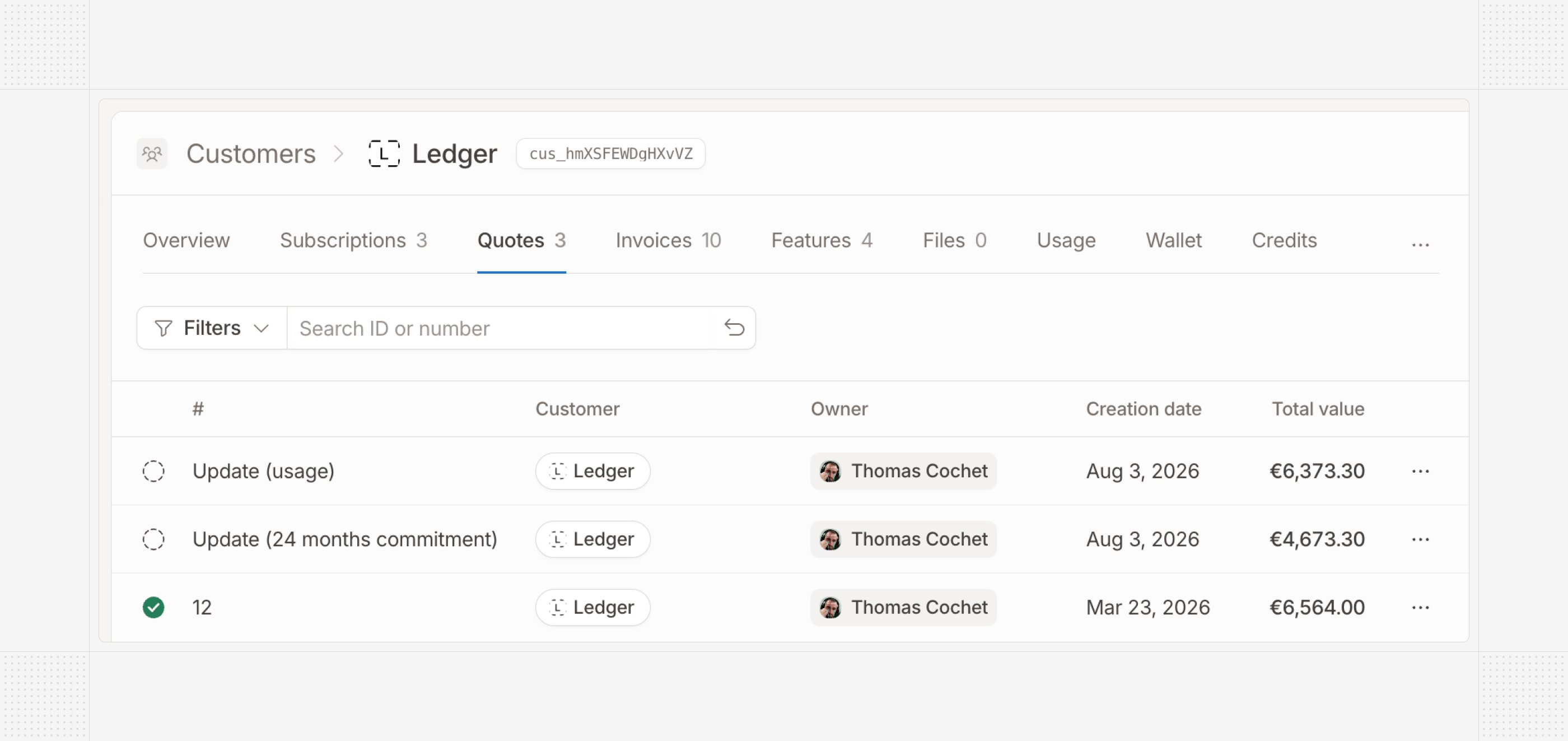
You can now keep several update quotes open for the same subscription. The first quote signed is applied automatically, while the remaining open quotes are voided to prevent conflicting updates. A dedicated Quotes tab on the subscription shows active proposals alongside the complete quote history.
Bank account assignment

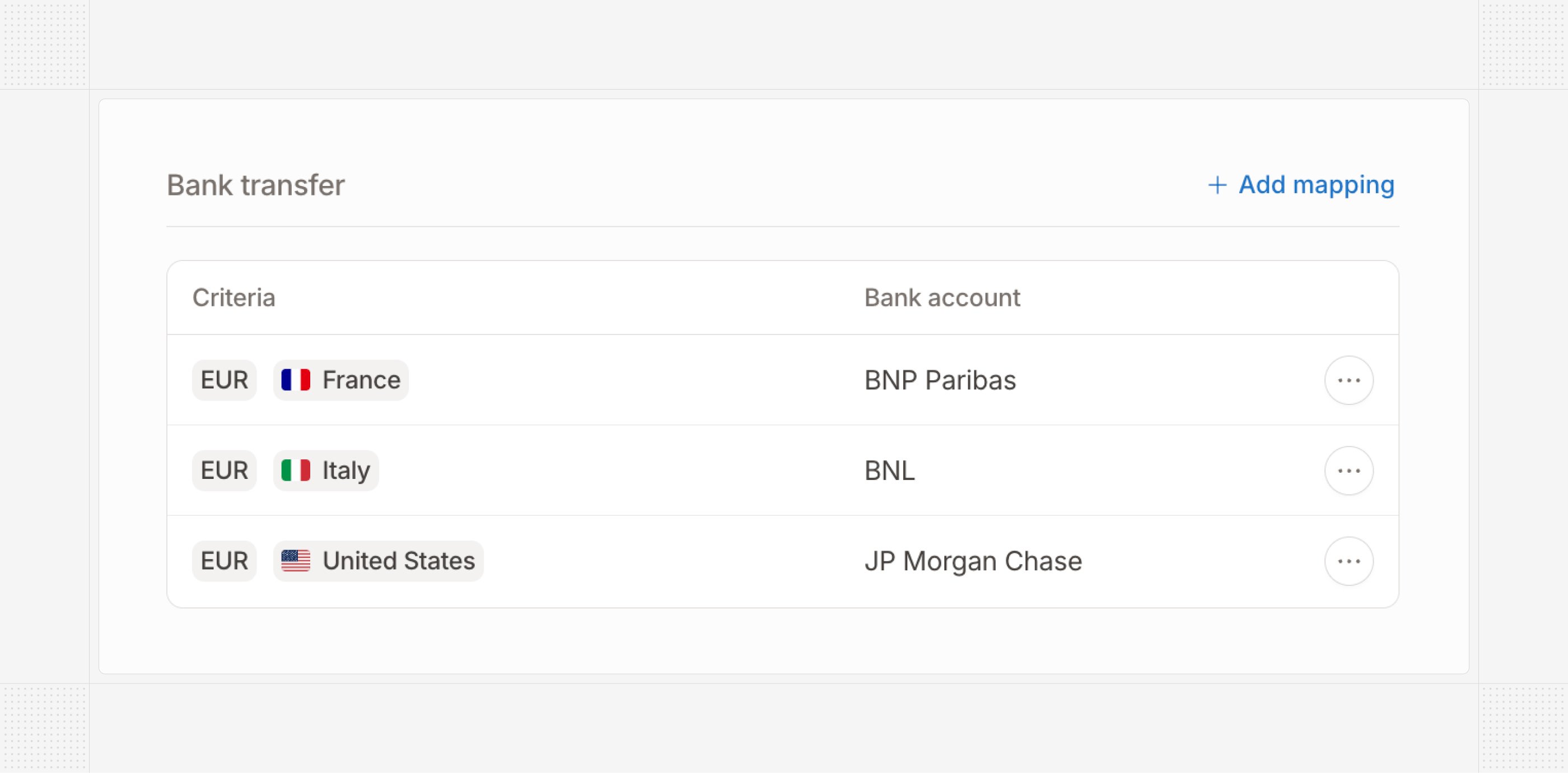
Bank accounts can now be assigned using rules based on the invoice currency, customer country, or customer segment. You can keep one account for all invoices or route payments to different accounts based on these criteria. Hyperline then displays the appropriate bank details on each invoice. Learn more about invoicing entity payment methods
PostHog usage data

Hyperline can now use PostHog and HogQL as a usage data source. This lets you turn product analytics events into billable usage and connect product activity to metered pricing without building a separate data pipeline. Learn more about the PostHog integration
Customer balance drill-down

You can now open a customer’s account balance to understand how it was calculated. The detailed view breaks the balance down into outstanding invoices, available credit notes, and wallet credit. This makes it easier to understand whether a customer owes money, has available credit, or has a fully settled account. For parent organizations, you can also review the aggregated balance across the parent and its child customers. Learn more about customer balances